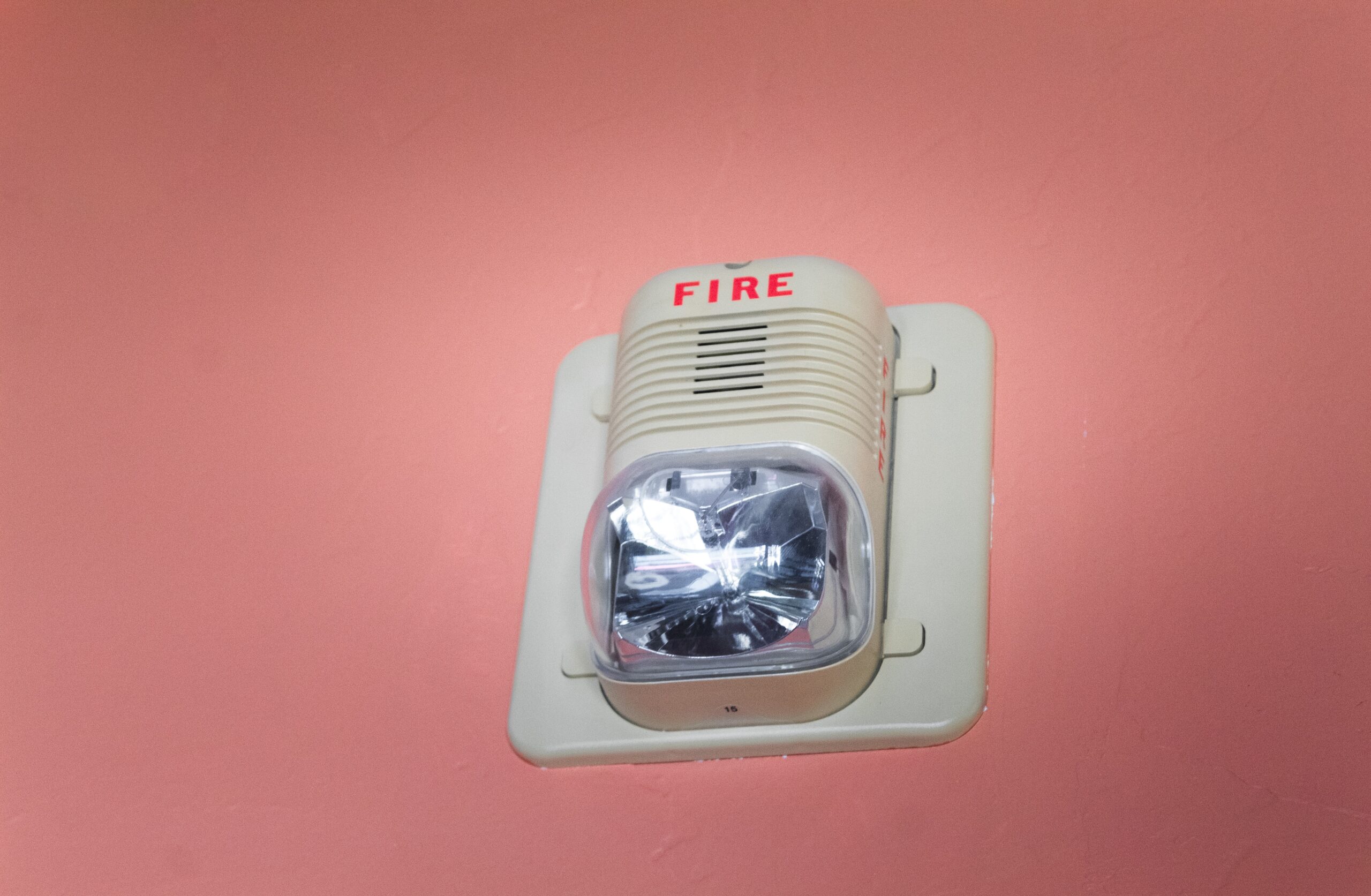
Fire Alarm Installation
Fire alarms are essential safety devices that provide early detection of fire incidents, allowing for swift evacuation and timely intervention. A properly installed fire alarm system is crucial in protecting lives, minimising property damage, and ensuring a safe environment. This article explores the importance of professional fire alarm installation and highlights key considerations for an effective and reliable fire alarm system.

The backbone of safety measures
- The Significance of Fire Alarm Systems: Fire alarm systems are the backbone of fire safety measures. They consist of various components, including smoke detectors, heat sensors, control panels, and notification devices. These systems serve as a vital early warning system, alerting occupants to potential fire hazards and enabling prompt action to mitigate risks.
- Expertise and Compliance: Professional alarm installation ensures that the system is installed correctly, adhering to relevant building codes, regulations, and industry standards. This section emphasises the importance of working with qualified and experienced fire alarm installation companies or technicians who possess the necessary knowledge to design and install a system that meets specific requirements.
- Comprehensive System Design: An effective fire alarm system requires careful planning and design. This section discusses the importance of a comprehensive system design that considers the size, layout, and specific needs of the building or facility. Factors such as zoning, coverage areas, device placement, and wiring configurations are crucial for maximising system effectiveness.
- Component Selection and Integration: Selecting appropriate fire alarm system components is essential for optimal performance. This section highlights the importance of choosing high-quality smoke detectors, heat sensors, control panels, and other components that are compatible and integrate seamlessly into the system. The integration of these components ensures proper communication and coordination for quick and accurate fire detection.
- Testing, Inspection, and Maintenance: After installation, regular testing, inspection, and maintenance are essential to ensure the continued functionality of the fire alarm system. This section emphasises the importance of scheduled testing and inspections to verify proper operation, identify any issues, and perform necessary repairs or upgrades. Compliance with testing and maintenance requirements helps to keep the system in optimal condition.
- Monitoring and Alarm Response: In addition to installation, fire alarm systems can be integrated with monitoring services that provide 24/7 monitoring and rapid alarm response. This section discusses the benefits of professional monitoring, which includes the immediate dispatch of emergency services in the event of a fire alarm activation.
To speak to one of our team members about your Fire Alarm Installation give us a call today on 01733 595888 or 0844 692 9999
Commercial Alarm Types
In the UK, there are several types of commercial fire alarms designed to protect businesses and ensure the safety of occupants in the event of a fire emergency. These alarms are crucial for early detection and warning, allowing for prompt evacuation and minimising potential damage. Below is an overview of various types of commercial fire alarms commonly used in the UK.
Conventional Fire Alarms: Conventional fire alarms are among the traditional types of systems used in commercial settings. They consist of a control panel connected to multiple detection zones, where each zone covers a specific area within the building. In case of fire, the alarm system identifies the activated zone, indicating the approximate location of the fire within the premises. However, conventional fire alarms do not provide precise information about the exact location of the fire.
Addressable Fire Alarms: Addressable fire alarm systems are more advanced than conventional alarms and offer greater precision in identifying the location of a fire. These systems utilise a control panel that connects to individual devices such as smoke detectors, heat detectors, and manual call points. Each device has a unique address, enabling the control panel to pinpoint the exact location of the activated device. This information assists emergency responders in locating and responding to the fire swiftly.
Aspirating Smoke Detection: Aspirating smoke detection systems, commonly known as air-sampling systems, employ a network of sampling pipes and a centralised detector unit. These systems continuously draw air samples from various areas of a building, analysing the samples for the presence of smoke particles. Aspirating smoke detection is highly sensitive and can detect smoke at an early stage, even before it becomes visible. It is particularly suitable for environments with sensitive equipment or where early detection is critical.
Beam Detectors: Beam detectors use a transmitter and receiver to create an invisible beam of light across a defined area. When smoke particles obstruct the beam, the detector triggers an alarm. These systems are useful for large spaces, such as warehouses or atriums, where installing multiple smoke detectors might be impractical. Beam detectors can cover extensive areas, but they may require regular maintenance to ensure proper alignment and functionality.
Wireless Fire Alarms: Wireless fire alarm systems have gained popularity in recent years due to their flexibility and ease of installation. These systems utilise wireless communication between the control panel and the various detection devices, eliminating the need for extensive cabling. Wireless fire alarms are suitable for buildings where running cables would be challenging, such as historical structures or rented premises.
It’s important to note that these descriptions provide a general overview of the different types of commercial fire alarms in the UK. The specific requirements and regulations for fire alarm systems may vary depending on the type of commercial premises, their size, and the local fire safety standards. Consulting with a professional fire safety specialist or local fire authorities is recommended to determine the most suitable fire alarm system for a specific business or building.
In summary Fire Alarm Installation
Investing in professional fire alarm installation is vital for effective fire safety measures. A well-designed and properly installed fire alarm system provides early detection, prompt evacuation, and increased chances of minimizing fire-related risks. By partnering with experienced fire alarm installation professional like Circle Fire and Electrical and adhering to proper maintenance practices, individuals and organisations can significantly enhance their ability to safeguard lives and property against the devastating effects of fire incidents.
For more information on commercial fire alarm installation contact Circle Fire and Electrical
For information and details on commercial electrical spares click here