
Commercial Electrical Rewiring
Our commercial electricians conduct electrical rewiring across Peterborough, Cambridgeshire and the East of England. We provide rewiring, installation & periodic inspections to office, shops, factories and commercial landlords. We specialist in rewiring and electrical testing.
You may be having regular problems with your commercial property electrics and wondering how these problems can be resolved. Don’t worry though as you are not alone. If you find that your fuse board keeps tripping and fuses are blowing regularly this is probably an indication that your electrical installation is out dated.
Circle Fire & Electrical Ltd has over 20 years of experience, offering a speedy and reliable rewire service. Give us a call today 0844 692 9999 for a quote.

Working carefully within Commercial environments
Our commercial electricians has an obligation to working to high quality, safety and environmental standards. All work is conducted by an NIC EIC approved electrical contractor. The business is build on having a management structure in place to ensure high standards are always met. Circle Fire & Electrical accredited by The Contractors Health and Safety Assessment Scheme (CHAS). Our electricians ensure work is carried out within industry standard health and safety methods.
As a business owner or commercial Landlord you have a duty to prevent any harm coming to your employees and customers. Following a fixed installation testing or periodic inspection it maybe advised you need a total rewire. In a commercial space, damaged or degraded wires can pose a serious health risk to staff and visitors alike.
This is were we can help. Our commercial electricians will identify your requirements and guide you through from the design phase to the job being completed. Conducing a total rewire on a commercial premises can seem like a big undertaking. We offer a full initial constitutionally service to ensure all budgets and exceptions are set out from the beginning.
The difference between Commercial Electrical Rewiring and Residential Wiring
The difference between residential and commercial electrical wiring can cause confusion. How different can it be? Why do I need to pay out for a commercial electrical contractor?
The fact is that there are significant differences between the two. From the process of design to installation, and the laws that apply, it takes expert knowledge to complete commercial electrical installations. It requires expertise above and beyond residential electrical know-how.
Here we are going to explain exactly how the two are different and why you need a professional commercial electrical contractor for your business installations.
What’s the cost of a commercial electrical rewiring
The average cost of rewiring will depend on the size of the premises and specific requirements. For a small office space the average cost for rewiring is usually about £2,500. This accounts for 5-8 days of work required to complete the full rewire. Typically this does not include any plastering or remodelling work that may be needed to be done in the property. However, should remodelling work be required, we can offer these services to at an additional cost.
Commercial Electrical Rewiring
Decision making in commercial electrical wiring
Unlike residential electrics, commercial electrical wiring design goes through many more people. When designing a commercial building, there will likely be an architect involved, for example. There will also be builders ensuring building regulations are followed correctly, and so on. In short, there are more steps – and more people – involved in commercial electrical wiring. The electrical contractor needs to communicate and work with the whole chain.
Accessibility in commercial electrical wiring
Commercial electrical wiring needs to be accessible. In your home, most wiring will be hidden – you will only see your sockets and fuse box. However, in a commercial property, the wiring needs to be easily accessible for maintenance, repair and shut-off. This means a different installation design. Contractors need to take these additional requirements into account to ensure the safety of anyone on the site, as more wiring is exposed.
Electrical load in commercial electrical wiring
In commercial properties, there are more purposes for energy than in the home. Different types of machinery have different functions – using motors, cooling elements, and alarms, for example. These systems use more power, which means, once again, there must be a difference in the system design.
Three-phase power
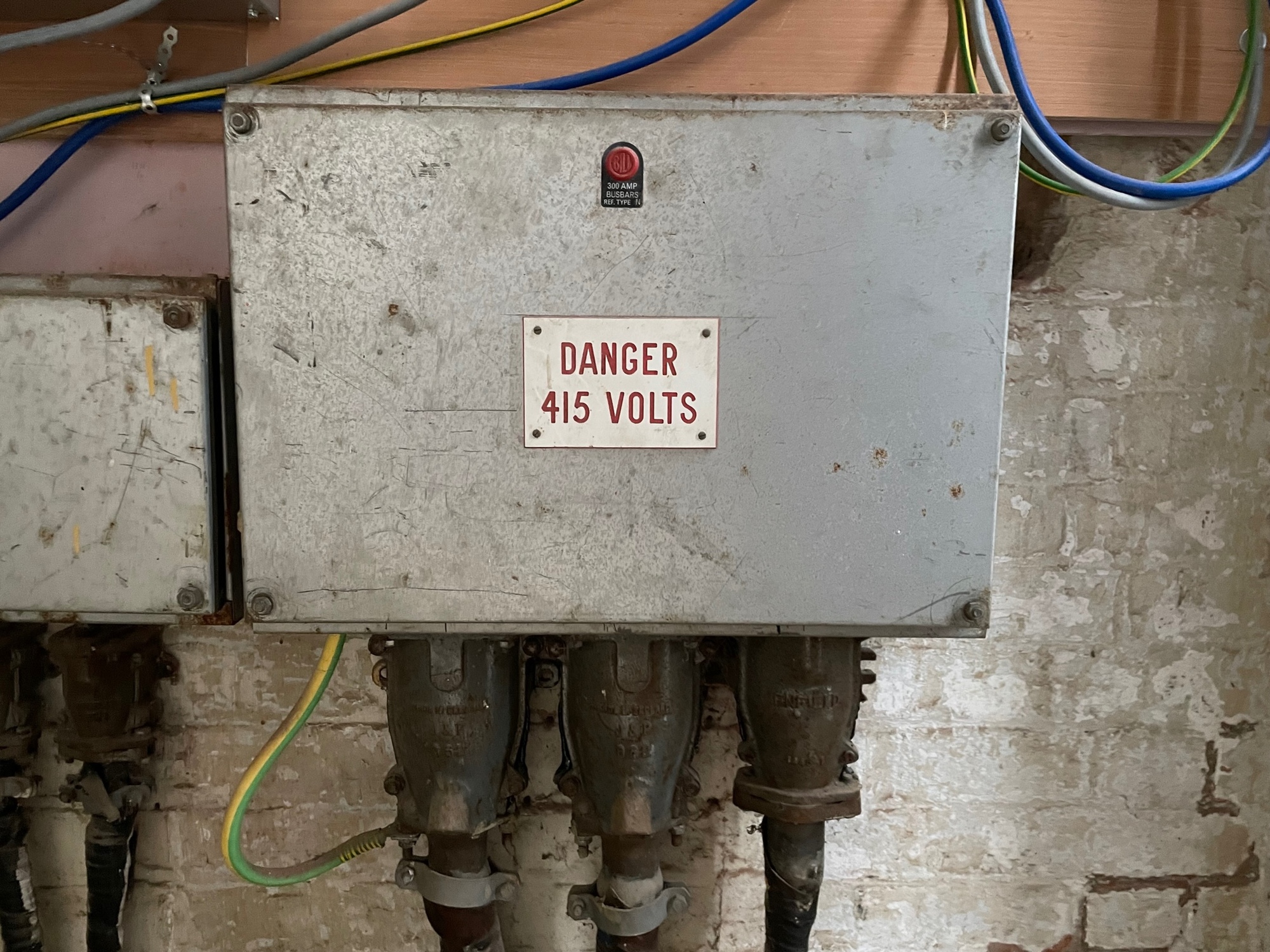
Commercial electrical wiring generally uses three-phase power instead of single-phase power. In simple terms, this means cables have four or five wires instead of only two. This consists of three live cables, a neutral cable and an earth cable. This means more current can be distributed to circuits supplying enough power to operate machinery and equipment in the factory or workplace that require it. The power delivery of energy in a three-phase power system is a balanced load and much more efficient than in single-phase ones. In fact, some three phase items of equipment are so balanced that a neutral cable is not required. Click here for more electrical information
Residential Electrical Rewiring
Decision making in residential electrical wiring
There are few people in the chain of command when it comes to wiring a home. As a homeowner, you contact an electrician, explain the situation, and they do the job. It is a simple two-person chain.
Electrical load in residential electrical wiring
The electrical loads of home appliances are simple. Electrical loads in the home come in the form of lightbulbs, kettles, and dishwashers, for example. There is no heavy machinery, unusual voltage requirements, or complex electrical systems. This makes a difference in how contractors design a system.
Single-phase power
Almost all homes and private residences will use single-phase power (230V). Single-phase power is used in places that do not require a lot of energy. Think of the energy used in the home of a family of four compared to a huge factory operating dozens of machines 24-hours a day.
The cables in a single-phase power system only need to have three wires to supply circuits. The two wires consist of a live wire, a neutral wire and an earth wire. The earth wire being for cable and circuit protection.
A single-phase electrical installation in a domestic property is generally either 63A, 80A or 100A.


